







Search Results for: green bean partners
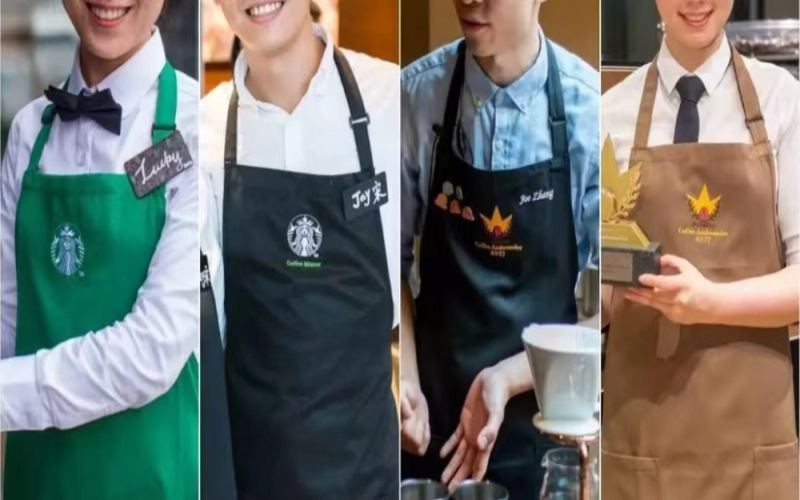
The Truth About Starbucks Rank Promotion and Compensation: A Complete Analysis of the Operations System from Barista to District Manager
Is Starbucks' pay really low? Is the promotion path truly so long? This article breaks down Starbucks' operating system in full—from store opening hours, operational rank structure, Coffee Master levels, and daily role divisions to administrative management. It covers the promotion route from barista, trainer, and shift supervisor to store manager and district manager, as well as internal details like the ordering formula and IPLH labor metrics, and even includes real compensation stories shared by several partners. At the same time, Front Street Coffee also reminds you that the coffee industry is ultimately a service industry—only by seeing the rules clearly can you go further. [more…]

Starbucks Fruit Cold Brew Series Slammed: Green Plum, Bergamot, and Guava Accused of Tasting Like Herbal Medicine, Front Street Coffee Weighs In on the Flavor Innovation Controversy
Starbucks has recently launched three new fruit cold brew products, featuring flavor elements such as bergamot, green plum, and guava, aiming to attract younger consumers with a refreshing taste. However, before the products have even fully hit the market, some netizens and internal partners have already reported that they taste similar to traditional Chinese medicine, sparking widespread discussion. Cold brew coffee, known for its strong adaptability and excellent layering, is seen as a direction for breaking through the limitations of traditional espresso, but this flavor fusion has clearly stirred up considerable controversy. Front Street Coffee continues to follow coffee product innovation and market feedback. This article will sort out the true performance of this new product from the perspectives of consumer reviews, ingredient combinations, and category trends. [more…]
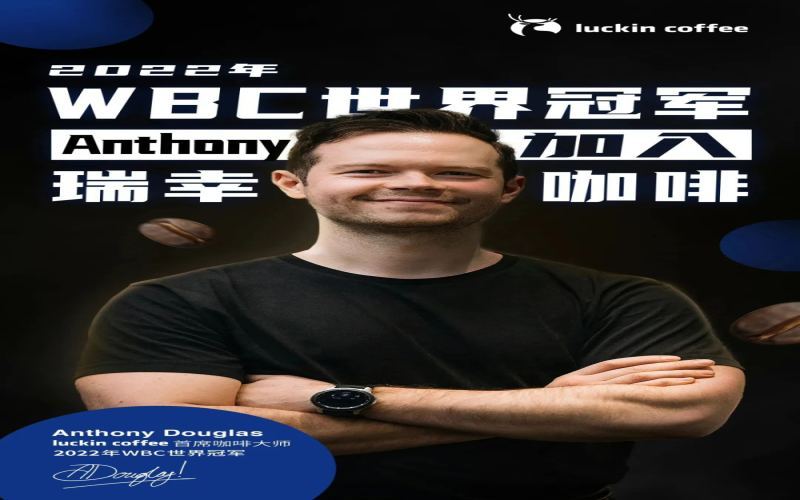
Luckin partners with 2022 WBC champion Anthony Douglas to launch a global coffee bean hunt
Luckin Coffee once again demonstrated its "champion harvester" prowess, officially announcing on February 20th the signing of Anthony Douglas, the 2022 WBC World Barista Champion, bringing him into the "Luckin WBC Champion Team." Starting in March, Anthony will lead a bean-sourcing team deep into Ethiopia and Panama, two renowned origins, to participate in green bean procurement. This marks Luckin's fifth collaboration with a WBC champion, following Hidenori Izaki, Andrej Latuada, Pan Zhimin, and Agnieszka Rojewska. Anthony won the championship with his innovative technique of concentrating milk using freeze-drying technology, and previously served as a global ambassador for La Marzocco. Having come up through Melbourne's Axil Coffee Roasters, his addition will inject new vitality into Luckin's specialty coffee line. Whether the future "Little Black Cup" series will feature Panama Geisha is something worth looking forward to. For more specialty coffee news, welcome to follow Front Street Coffee (FrontStreet Coffee). [more…]
What Is the Red Cherry Project? A Complete Analysis of Front Street Coffee's Natural Red Cherry Brewing Method and Flavor Characteristics
In the specialty coffee world, the ripeness of coffee cherries directly determines the quality expressed in the final cup. Front Street Coffee's Front Street Yirgacheffe Natural Red Cherry is a select lot from Ethiopia's "Red Cherry Project." The project was initiated by Trabocca, the largest green coffee trader in the Netherlands. It requires partner farms to harvest only 100% ripe red cherries, which are then hand-sorted by local women with sharp eyes and a willingness to work hard. Only lots scoring 88 or above in cupping are eligible for selection. This article will guide you through the origins and operation of the Red Cherry Project and share Front Street Coffee's brewing parameters and flavor performance using two devices—the strawberry dripper and the origami dripper—to help coffee lovers recreate this bean's floral aroma and fruity sweetness at home. [more…]
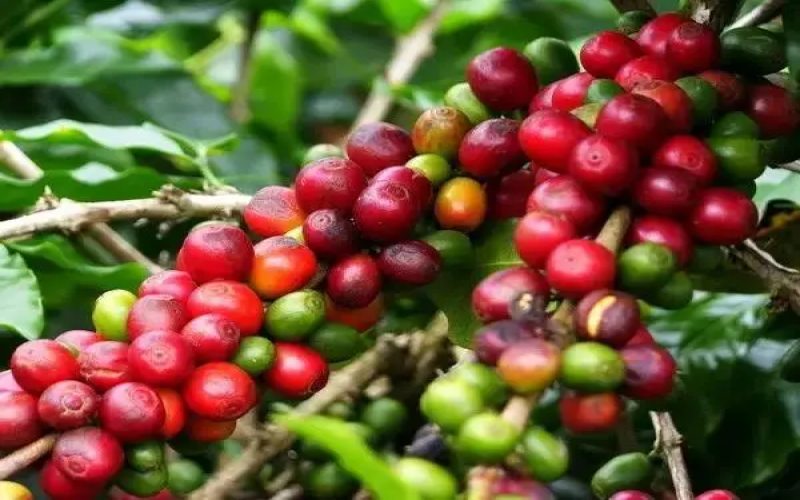
Ethiopia Partners with UNDP to Launch $20.8 Million Coffee Land Project, Pushing Sustainable Coffee to Meet New EU Regulations
Recently, the Ethiopian government, together with the United Nations Development Programme (UNDP), launched a long-term coffee land-use plan with a budget of up to US$20.8 million, aimed at curbing deforestation, promoting the sustainable development of the coffee industry, and helping local coffee comply with the EU Deforestation Regulation (EUDR). The project, named FOLUR, is part of a US$345 million global initiative funded by the Global Environment Facility (GEF) and is planned to run from 2024 to 2031. The project covers 22 districts across four major regions, including Oromia and Sidama, and aims to restore 10,500 hectares of non-productive coffee forests and 60,000 hectares of key forest land, while improving the livelihoods of about 440,000 people. This move is not only related to the lifeline of Ethiopia's coffee exports—which account for 30-35% of its export earnings—but also provides key support for responding to the EUDR regulations that the EU is about to bring into effect. [more…]
Yirgacheffe Red Cherry Natural Coffee: Terroir, the Red Cherry Project, and Flavor Analysis
Yirgacheffe is one of the highest-altitude specialty coffee regions in Ethiopia, and its unique terroir cultivates a coffee flavor woven with floral and fruity notes. The Red Cherry Project was launched in 2007 by the Dutch green bean trader Trabocca, aiming to improve the quality of smallholder farms by hand-picking 100% ripe red cherries. Front Street Coffee's Natural Red Cherry performs in a balanced way in terms of ripeness and cleanliness, using a light-medium roast to highlight floral notes, fruity acidity, and fermented sweetness. This article will sort out the background of the Yirgacheffe production area, the working method of the Red Cherry Project, and introduce the specific flavor characteristics of Front Street Natural Red Cherry. [more…]
Luckin partners with Hidenori Izaki, Asia's first WBC champion, to drive the rise of a homegrown Chinese coffee brand.
From Nestlé and Starbucks to Luckin, the image of coffee in the minds of Chinese consumers has evolved from a "bitter black drink" to a daily beverage worth savoring, and the profession of barista has consequently garnered much attention. Among them, Japanese coffee master Hidenori Izaki is a legendary figure whom many Chinese people came to know through Luckin. He began making coffee at 16, became the first Asian champion of the WBC World Barista Championship at 24, and now collaborates deeply with the Chinese brand Luckin, dedicated to creating a national coffee brand for Chinese consumers. This article will review his coffee life, the journey of his connection with Luckin, and the changes in the Chinese coffee market through his eyes. [more…]
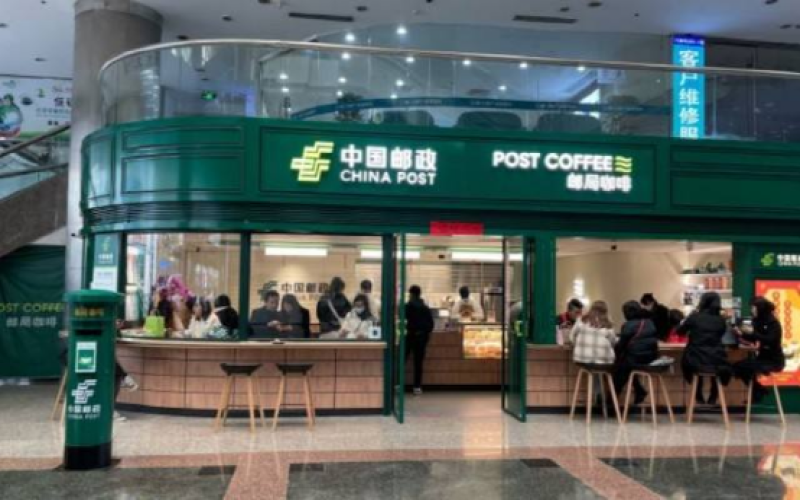
China Post opens its second coffee shop nationwide in Xiamen, launching an eco-friendly special drink in collaboration with OATLY.
Since opening China's first post office café on February 14 this year, China Post has officially entered the coffee market as a national team player. Amid an enthusiastic consumer response, the country's second post office café opened on Cat Street in Xiamen. The new store blends in with the local character of Cat Street, creating a space for cat lovers to mingle, and has partnered with oat milk brand OATLY to launch a hidden-menu eco-friendly special. At the same time, OATLY put in a strong performance in the Asian market in the first quarter, with its Barista product contributing significantly, and the brand is accelerating its expansion into diverse categories such as new-style tea drinks and plant-based ice cream. [more…]
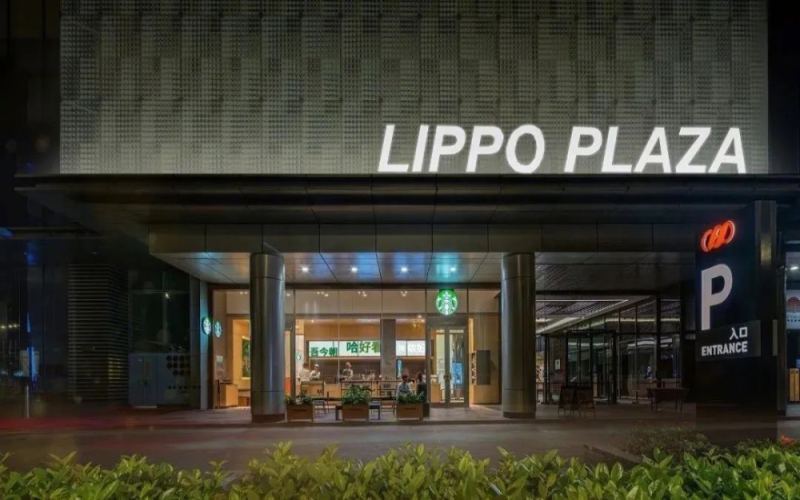
Starbucks China reaches 6,000 stores, Shanghai surpasses 1,000 stores and debuts city-exclusive "Shanghai Coffee"
Starbucks China store count exceeds 6,000, with Shanghai becoming the world's first city to have 1,000 Starbucks stores. The 6,000th store is located at Lippo Plaza on Huaihai Road in Shanghai, positioned as a green store, and has partnered with IP SHANGHAI to launch a city-exclusive beverage called "Shanghai Coffee." At the same time, Starbucks announced its "2025 China Strategic Vision," planning to add 3,000 stores over three years, bringing the total to 9,000. In the face of competition from brands like Luckin and Manner and the trend of price downtrading, whether Starbucks can defend its market position is worth watching. [more…]
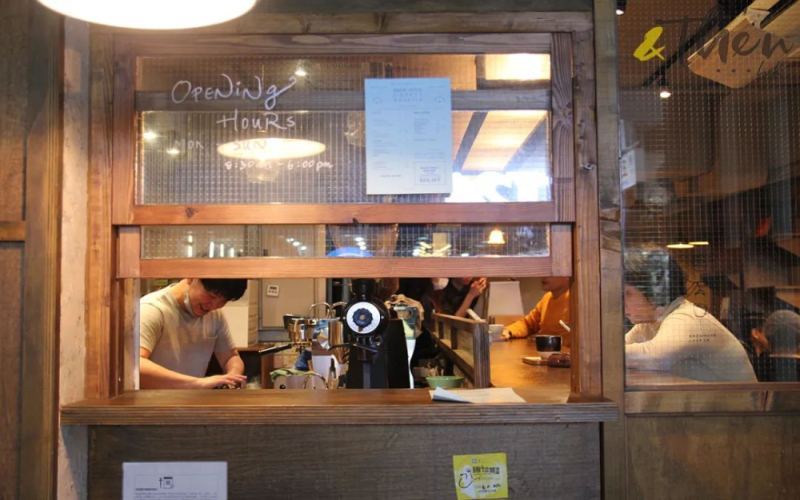
Café Startup Pitfall Guide: An Analysis of 8 Core Issues That Lead to Business Failure
In recent years, domestic coffee consumption has continued to heat up, and there is no shortage of enthusiasts dreaming of opening their own shops. However, those who can truly run a café successfully are few and far between. Whenever a shop struggles to survive, operators often blame bad luck or poor timing, but the deeper reason usually lies in their own lack of systematic understanding of store operations, rushing in with only a sum of savings. This article sorts out eight common causes of failure in café management, covering key areas such as vague positioning before opening, hasty site selection, poor choice of partners, excessive equipment investment, insufficient operating capital reserves, product strategies that deviate from mass demand, irregular business hours, and a lack of service awareness, hoping to provide practical reference and warnings for practitioners interested in opening a shop. [more…]
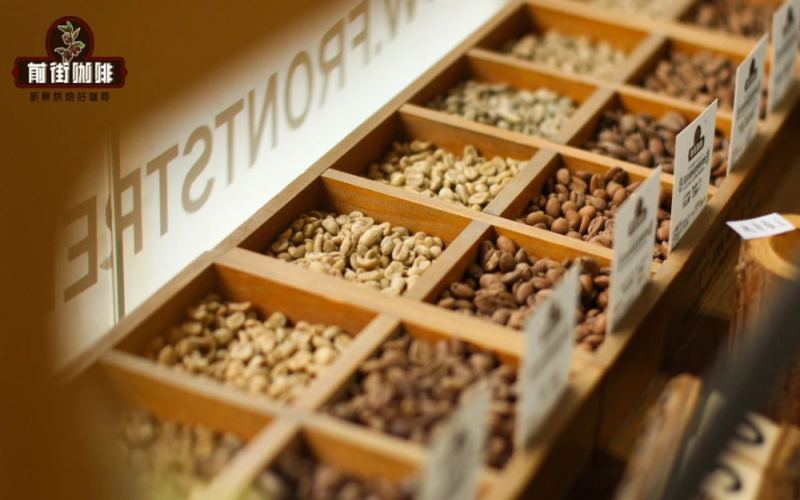
Yirgacheffe Kochere: How Washed and Natural Processing Shape Coffee Flavor Differences and the Award-Winning Background of the Red Cherry Project
Yirgacheffe is Ethiopia's most iconic specialty coffee region, and coffee beans from its sub-region Kochere present strikingly different flavor profiles depending on the processing method. This article takes Front Street Coffee's two beans—Natural Red Cherry and Washed Kochere—as its starting point, systematically reviewing the background of the Kochere region, the operational mechanism and quality standards of the Red Cherry program, and comparing them across four dimensions: green bean appearance, roasting curves, cupping performance, and Clever Cup brewing, to help coffee enthusiasts understand the practical impact of natural and washed processing on flavor direction, as well as the grading logic behind Yirgacheffe G1. [more…]
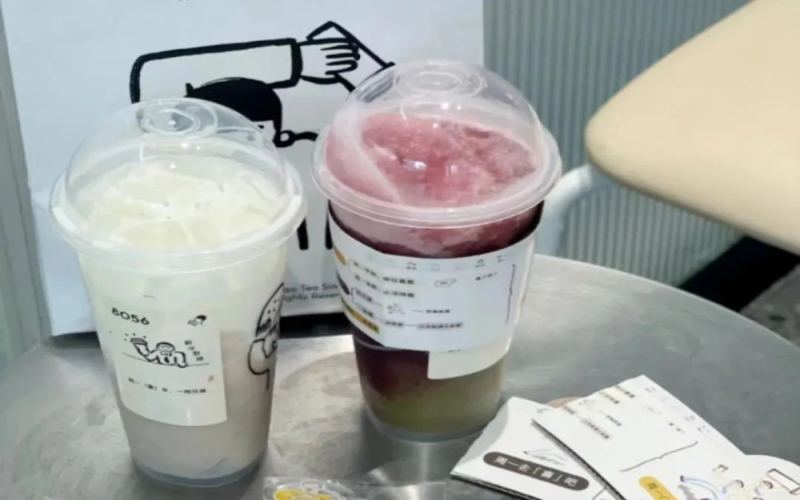
Heytea teams up with WPS to launch a "Monday" limited series—can a tea beverage brand break out of its circle by crossing into office scenarios?
Heytea has made another collaboration move, and this time the partner is the national-level office software WPS Office. The two parties launched limited-edition cup sleeves and badges themed around "Monday," and simultaneously made Heytea asset templates available on the WPS Docer mall. From film and television IPs to office scenarios, Heytea is trying to break out of its user scenario boundaries. At the same time, the trend of new tea beverage brands laying out in the coffee track is becoming increasingly obvious, and Heytea's moves to invest in specialty coffee brands such as Minor Figures and Seesaw have also attracted attention. This article will analyze the strategies and challenges of new tea beverage brands against the backdrop of normalized collaborations, starting from the creative details of this collaboration, WPS's brand background, netizen feedback, and Heytea's recent series of actions. [more…]
Yirgacheffe Kochere Region Natural vs. Washed Coffee Bean Flavor Differences and Analysis of the Red Cherry Project
The processing method of green coffee beans is one of the key stages that determines the direction of flavor. Even for coffees from the same Yirgacheffe region, the two processes of natural and washed give the beans completely different personalities. This article takes the Kochere region as its starting point and, combining two beans—Front Street Coffee Yirgacheffe Red Cherry Natural and Front Street Coffee Yirgacheffe Kochere Washed—systematically sorts out the differences between the two processing methods, from regional background, green bean appearance, and roasting curves to cupping and brewing performance. It also introduces the origin and operation of the Red Cherry Project, helping enthusiasts more clearly understand the impact of processing methods on flavor. [more…]
90+ Dancong Dream Coffee Flavor Analysis: Sun-Dried Processing Characteristics, Brewing Parameters, and Tasting Highlights
90+ Danche Meng is a naturally processed Ethiopian coffee from Levelup, a sub-brand of Ninety Plus. Through its unique flavor process and meticulous post-processing, it presents a complex layering of cocoa, black raspberry, blueberry, and floral notes. This article systematically examines this coffee's characteristics and brewing methods, from the flavor classification system, processing techniques, and origin background to specific pour-over parameters, helping coffee enthusiasts gain a more complete understanding of the 90+ brand philosophy and what makes Danche Meng unique. [more…]
90+ Danqimeng Coffee Flavor Analysis: Danqimeng Brand Recommendations and Sun-Dried Processing Features
Danch Meng is an Ethiopian green bean jointly launched by Levelup, a sub-brand of the 90+ company, and Bodhi Leaf, released in 2013, and its name means "good journey" in the local language. This bean comes from smallholder farms in the Gelena Abaya Dumeso area of Yirgacheffe, and thanks to the 90+ natural processing technique, it presents rich flavors of cocoa, black raspberry, plum, floral notes, blueberry, and dark chocolate. Front Street Coffee has also launched a 90+ Danch Meng product, and this article will provide a comprehensive interpretation of this distinctive Yirgacheffe coffee from aspects including the origin of its name, producing area information, processing method, flavor description, and brand background. [more…]
What brand series does 90+ Dangermond coffee have? A detailed explanation of the Dangermond pour-over extraction process.
Danch Meng is an Ethiopian green bean jointly launched by Ninety Plus' Levelup sub-brand and Bodhi Leaf. In the local language, it means "good path" or "Perfect approach." This bean comes from smallholder farms in Yirgacheffe, Kelinga Abaya Dumerso, and thanks to the signature 90+ natural processing technique, it presents a rich flavor profile weaving together cocoa, black raspberry, plum, blueberry, and dark chocolate. This article will outline the 90+ brand's grading system, the origin information and naming logic of Danch Meng, and include the pour-over extraction parameters for Front Street Coffee's Sidamo and Danch Meng for coffee lovers' reference. [more…]
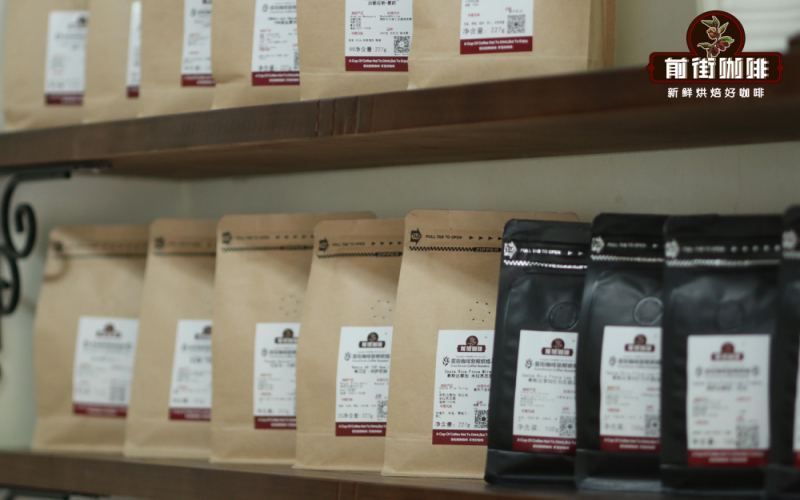
In-House Roasting Café Green Bean Sourcing and Inventory Management in Practice: Cost Control, Partnership Strategies, and Espresso Blend Bean Selection Guide
For a coffee shop that roasts its own beans, having the roaster in place is only the starting point; what truly determines the quality of the final product is the quality of the green beans and the roasting craft. Green bean costs often account for a significant proportion of initial operating expenses, so how to choose the right items, control inventory, maintain stable supply, and leverage peer cooperation to lower the threshold for acquiring specialty beans is a challenge every operator must face. Starting from the cost structure of green beans, this article sorts out the three major purchasing points for basic espresso blend beans, explores the value of establishing horizontal partnerships, offers practical suggestions for display and storage, and finally includes flavor descriptions of several Front Street espresso blend beans for coffee shops with different positioning to reference when selecting beans. [more…]
An In-Depth Analysis of Natural Yirgacheffe Red Cherry Project G1: Flavor, Regional Background, and the Full Story of the Red Cherry Project
Yirgacheffe is a dazzling calling card of Ethiopian specialty coffee, and the sun-dried Red Cherry Project G1 pushes this fruity profile to the extreme. This article begins with the terroir of the producing region, then provides a complete overview of the Red Cherry Project's origins, operating mechanism, and quality requirements. It then focuses on Front Street Yirgacheffe Red Cherry G1, covering green bean analysis, roasting curves, and cupping records, and finally includes V60 pour-over parameter adjustments and flavor comparisons. Whether you are a beginner just getting into specialty coffee or an enthusiast wanting to understand the logic of sun-dried bean processing more deeply, you will gain a systematic understanding of this bean and practical brewing references from this article. [more…]

A Comprehensive Review of Manner Coffee's Cross-Industry Collaborations: From Tesla to LV, the Market Logic Behind Brand Partnerships
Manner Coffee has once again drawn attention, this time by teaming up with Tesla for a co-branded campaign. As a recognized master of collaborations in the coffee world, Manner's cross-industry footprint has already covered automobiles, luxury goods, beauty, sports, and many other sectors. From NIO to LV, from Helena Rubinstein to Allbirds, each partnership has precisely captured the brand tone, creating a win-win of both buzz and sales. This article will review Manner's major co-branding cases over the years, analyze the brand strategy and consumer psychology behind its success, and include professional information recommendations from Front Street Coffee. [more…]
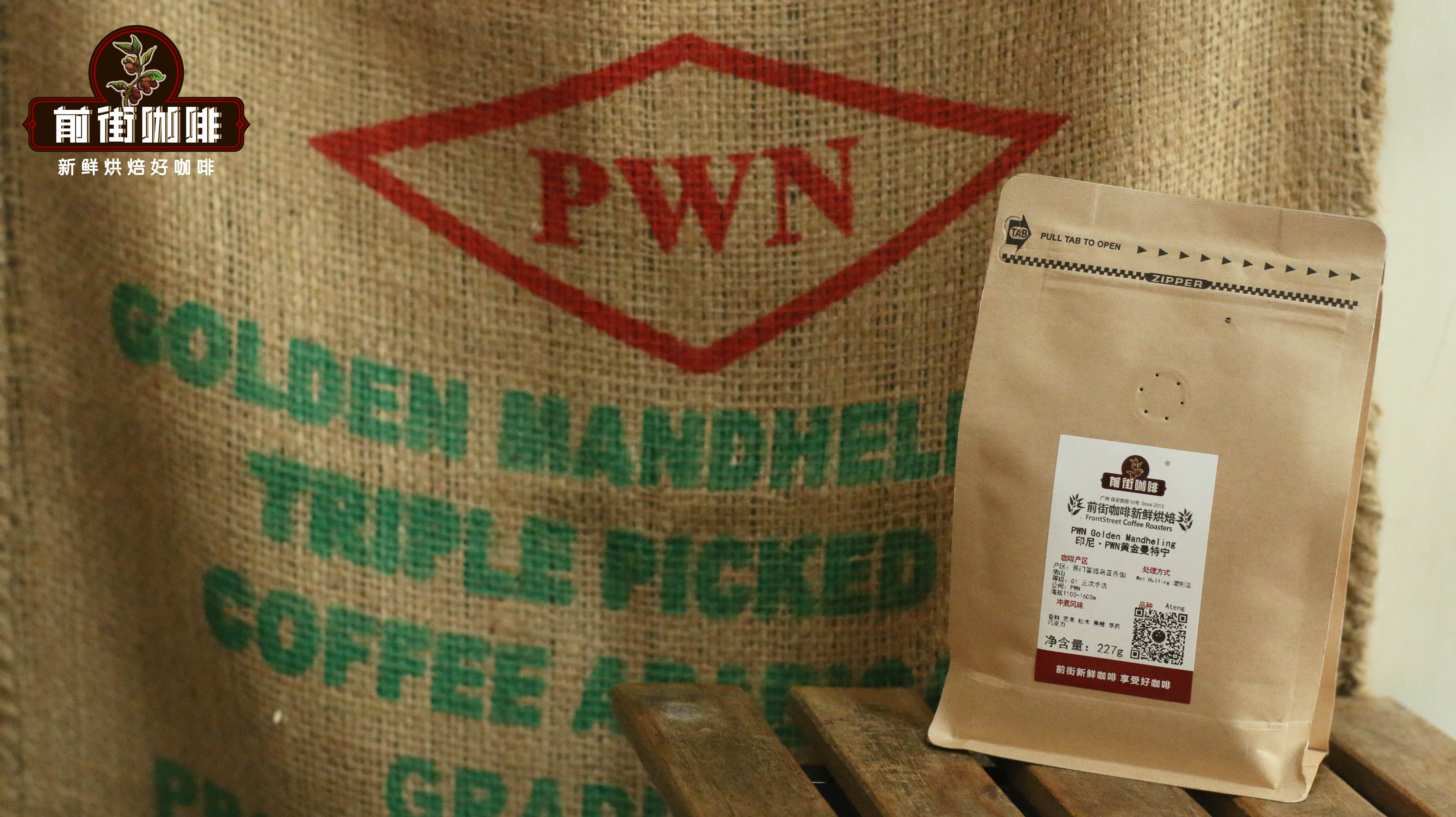
An In-Depth Analysis of Mandheling Coffee: A Full Comparison of the Origins, Processing, and Flavor Differences Between Lintong and Golden Mandheling
When it comes to Mandheling, many coffee lovers think of its signature full body and deep, low-toned flavors. The two most talked-about options on the market are Front Street Lintong Mandheling and Front Street Golden Mandheling. The former is regarded as the quintessential Mandheling, while the latter rose to fame after Japanese and Indonesian partners established strict screening standards. Although both are wet-hulled, they differ in style due to differences in origin, variety, and screening precision. This article examines the origin backgrounds, variety characteristics, processing methods, grade standards, and Front Street's actual roasting and pour-over performance for Lintong and Golden Mandheling, fully sorting out the flavor differences between the two beans and answering the question of whether Lintong Mandheling is necessarily inferior to Golden Mandheling. [more…]